Dispatch · Nº 002 · October 2026
Capital × Culture
The Dispatch
Nº 002 · October 2026
Capital ×
Culture
Who pays for culture. Who gets to shape it. Who gets to say no.
By Daniel Siegler
A brand buys a seat at the cultural table. Does the artist still get to choose the conversation?
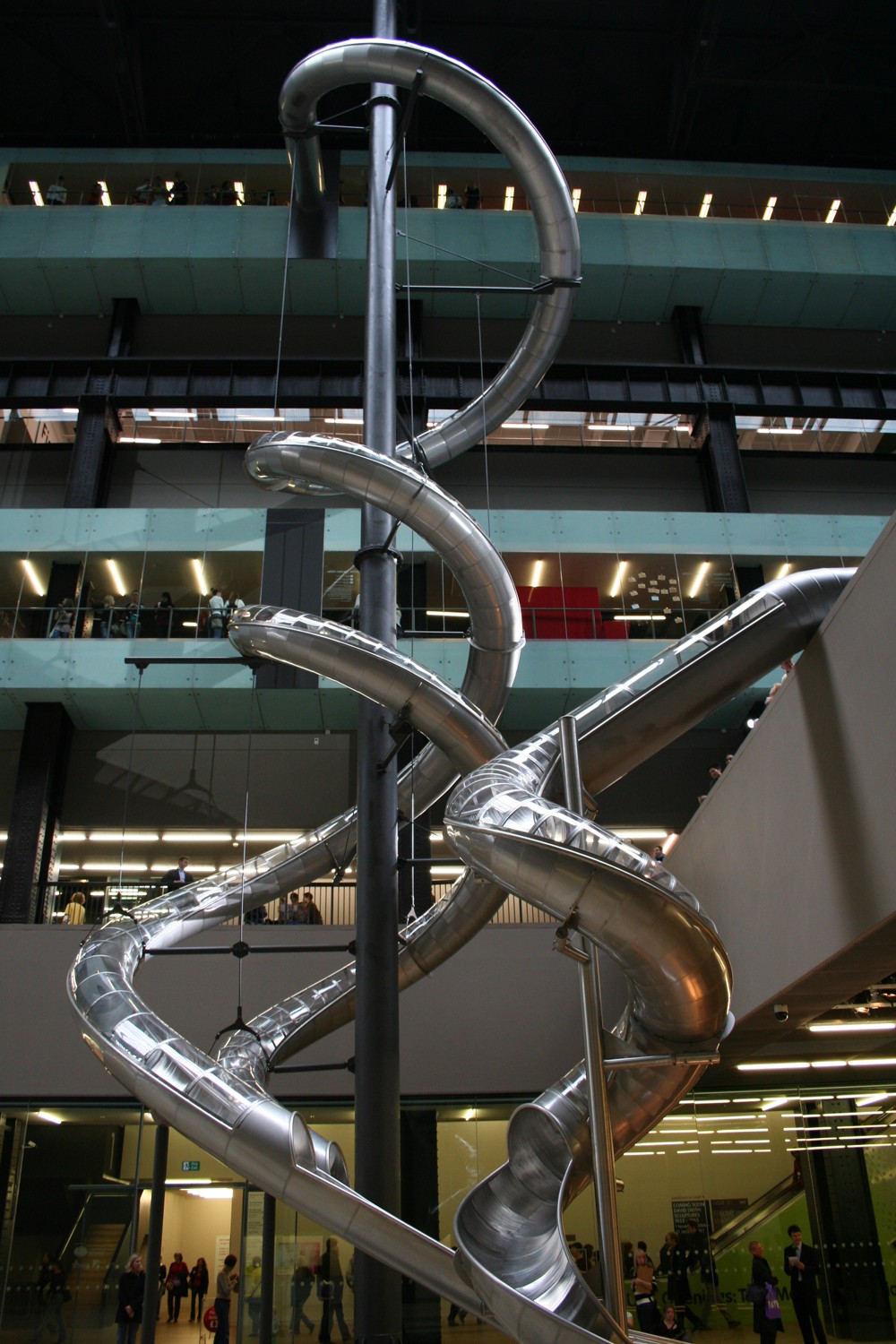
In 2006, Carsten Höller filled Tate’s Turbine Hall with slides for the Unilever Series. Visitors did not simply look. They climbed in. Corporate money helped make an encounter possible, without turning the artwork into a product demonstration.
The cheque is the easy part. The difficult part is what comes with it: approval rights, reputational baggage, a quiet expectation that nobody will make the sponsor uncomfortable. The best partnerships leave room for work the board would never have commissioned on its own.
I
Let the artist touch the product.
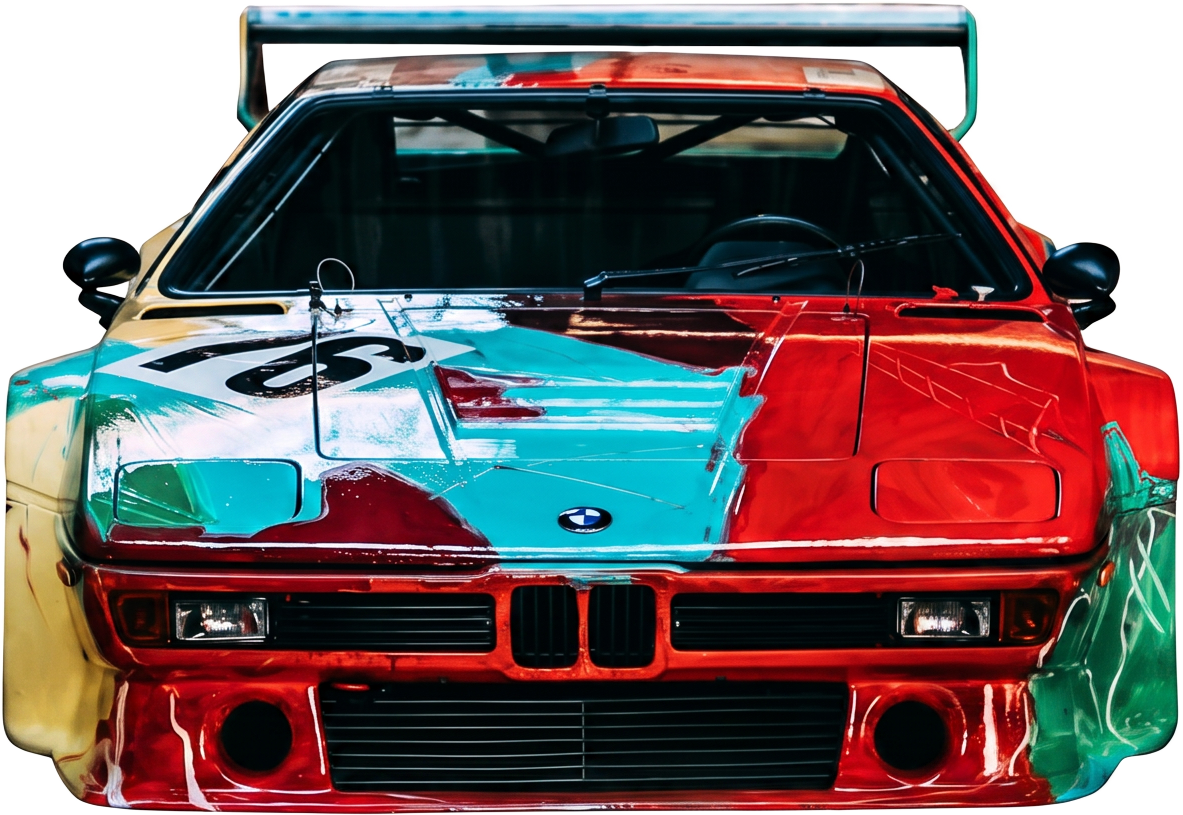
In 1975, racing driver Hervé Poulain persuaded Alexander Calder to paint a BMW 3.0 CSL for Le Mans. Four years later, Andy Warhol put paint directly onto an M1. The corporate object became an artist’s surface. It still had to race.
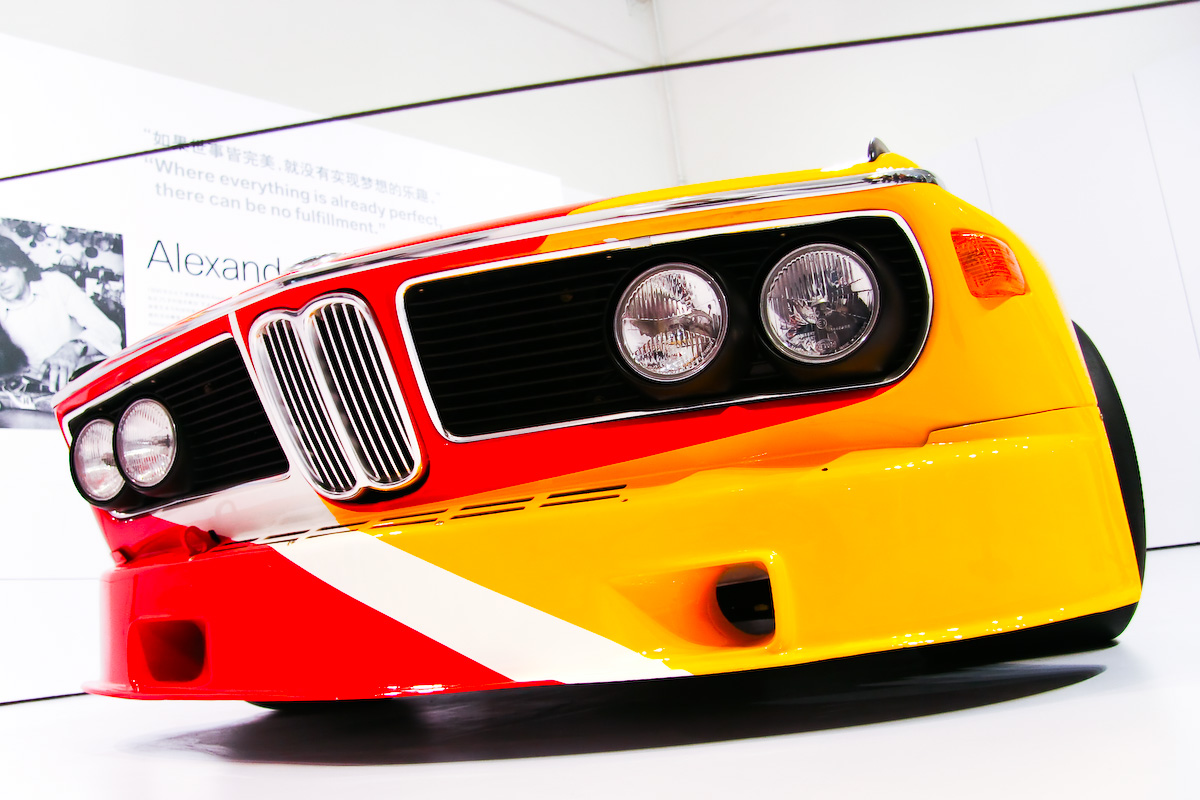
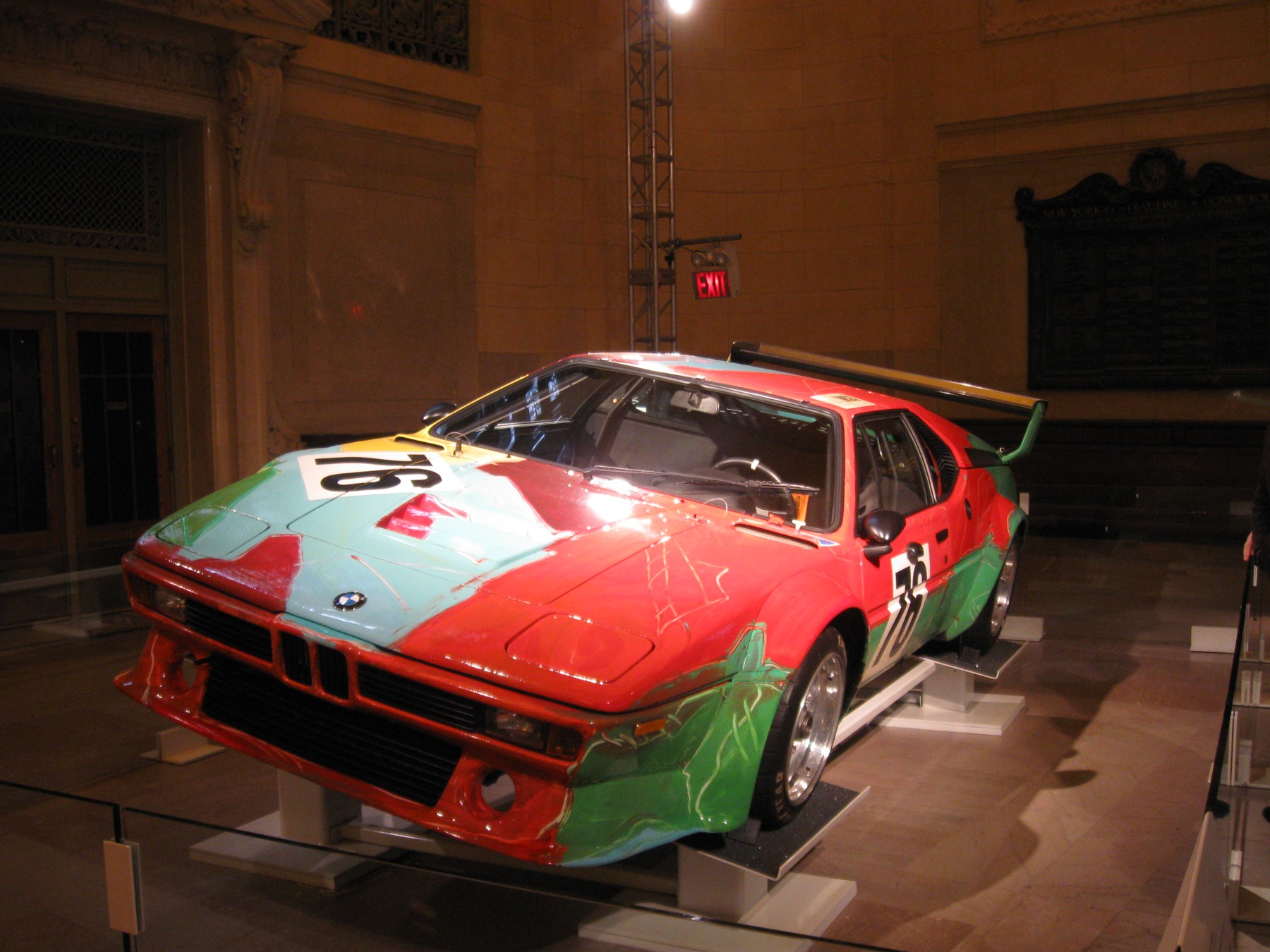
BMW kept going. Esther Mahlangu brought Ndebele visual language to a 525i in 1991. Later commissions included Cao Fei and Julie Mehretu. Different artists, different ways of seeing. Fifty years of commissions make a stronger argument than a season of cultural name-dropping.
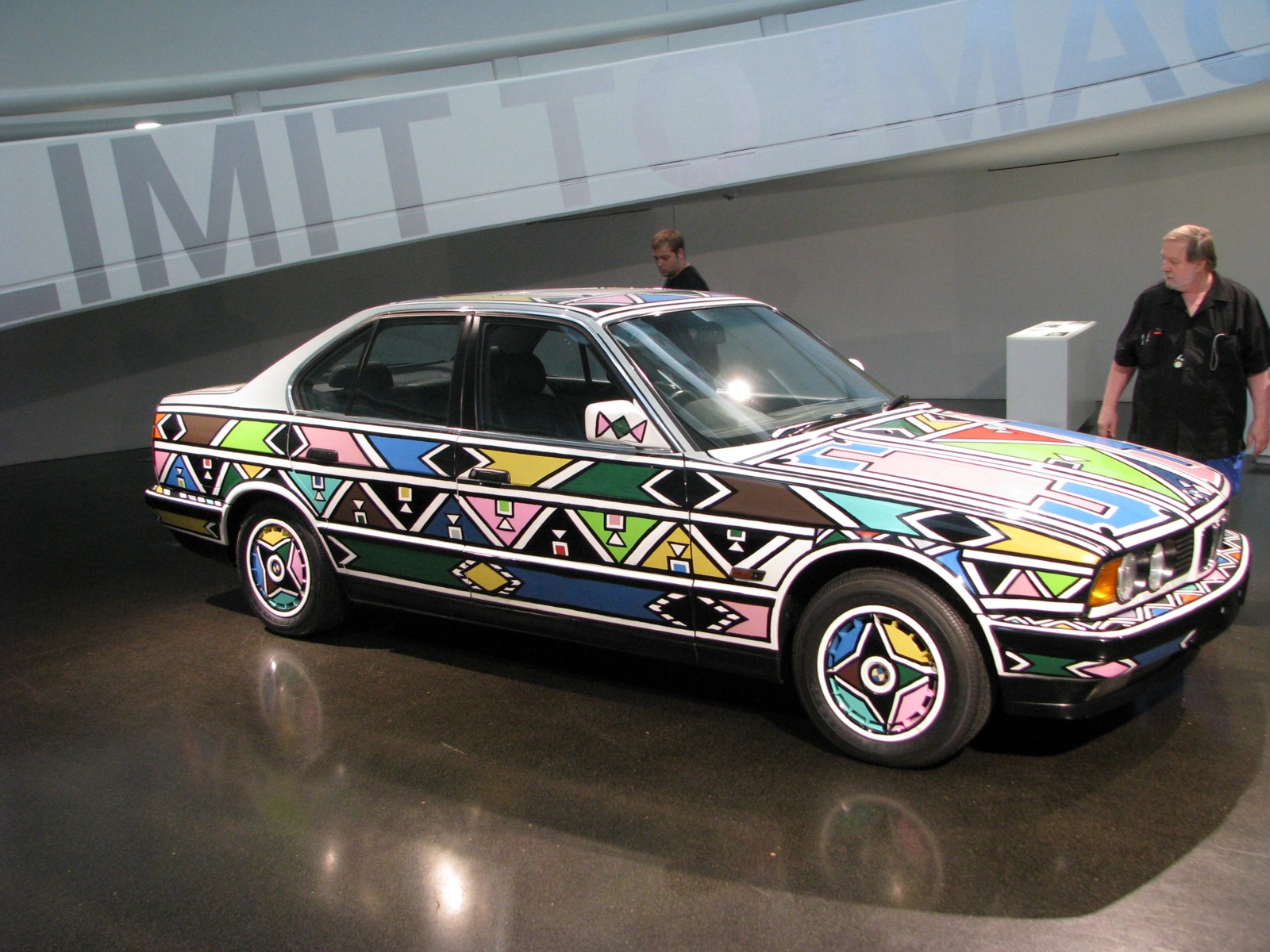
If every result looks on-brand, how much freedom did the artist really have?
The useful lesson is not to copy the Art Car. It is to accept that an artist may change how your product is read. Creative independence matters precisely when the result is inconvenient.
II
Fund the work. Lose the starring role.
CHANEL’s Culture Fund, launched in 2021, supports work that does not need to become a handbag or a campaign. At London’s National Portrait Gallery, Reframing Narratives: Women in Portraiture backs research, acquisitions and commissions. The investment changes who is represented, not just whose logo appears on the invitation.
The CHANEL Next Prize gives each recipient €100,000 and a two-year mentorship and networking programme. Unrestricted funding puts a decision back in the artist’s hands. That is a more interesting use of fashion money than another branded backdrop.
The sponsor does not have to be the most visible thing in the room.
III
Make room for the uncomfortable.
Fondazione Prada began in 1993. Its programme moves through art, cinema, science and architecture without making every exhibition a product story. The point is the encounter: something strange enough to interrupt your usual way of looking.
That cultural world sits beside a substantial business. Prada Group reported €5.718 billion in 2025 revenue, up 9% at constant currency; Miu Miu grew 35% on the same basis. Those results do not prove that art sold the clothes. They do make it harder to dismiss cultural ambition as a commercial indulgence.
A museum programme is not a conversion funnel. Stop pretending it is.
Programme milestones, not a comparable spending index. These brands disclose different things; a rising cultural budget cannot be inferred from this timeline.
BMW · 1975 → 2024
1 → 20
Art Cars. A growing body of commissions.
Prada · 1993 → 2015
22 years
From foundation launch to a permanent Milan venue.
CHANEL · Next Prize
€100,000
Per recipient, plus two years of mentorship.
The return question: what grows alongside the commitment? Track repeat audiences, new commissions and brand consideration. Keep revenue evidence separate until the relationship is tested.
IV
The audience can refuse the deal.
Corporate support can pay for access, commissions and jobs. It can also lend an institution’s credibility to a business whose conduct the audience rejects. Both things can be true at once.
Liberate Tate turned that conflict into performance, challenging BP’s sponsorship inside the museum itself. Tate’s BP partnership ended in 2017 after years of campaigning. The art institution was not just the setting for the argument. It was part of it.
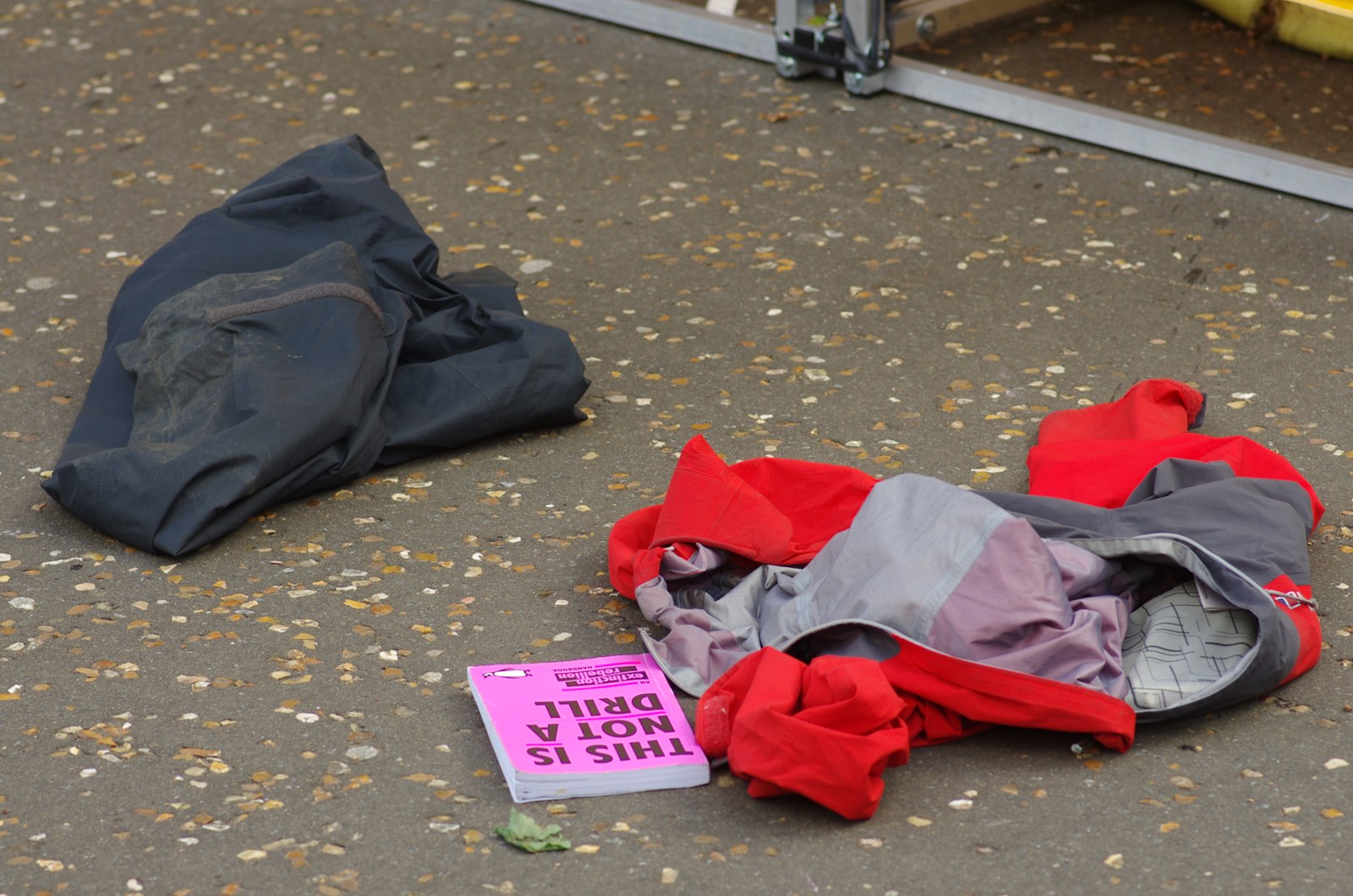
The image above comes from a different action: Extinction Rebellion outside Tate Modern in 2019. The discarded costume and urgent placard pull the conversation out of the sponsor’s press release. Cultural spaces are places where the public can answer back.
For a younger audience, a partnership arrives alongside everything else they know about the sponsor. The campaign, the labour story, the climate record. A beautiful commission does not erase the rest. Nor should it.
You can pay for the exhibition. You cannot buy the audience’s consent.
V
Four questions before the cheque.
Who decides? If the artist needs the marketing director’s approval at every turn, call it commissioned advertising. There is nothing wrong with that. Just do not sell it as artistic freedom.
Who benefits? Name what the money makes possible: an artist’s time, a new commission, public access, a collection gap. “Awareness” is not enough.
What happens when it gets awkward? Agree the boundaries before the opening. A partner who can only speak when the sponsor is comfortable is not independent.
What remains? Judge the work beyond launch week. Look at audience relationships, repeat participation and the institution’s ability to keep producing. Track commercial outcomes separately; do not invent a causal link because the board wants one.
VI
The DISCIPLINE position.
Start with what the brand genuinely has to contribute. Find the people who can challenge it. Protect their room to work. Then measure cultural signal and economic signal without confusing the two.
Culture without economy is vanity. Economy without culture is noise. The job is to hold both, especially when they disagree.
Would you still fund the work if it questioned you?
That is where the conversation gets interesting.
The Dispatch
One idea, argued properly. Bi-monthly.
Take it with you