Dispatch · Nº 003 · November 2026
After the Remix
The Dispatch
Nº 003 · November 2026
After the
Remix
An ode to cultural expression. A call to the risk-takers.
By Daniel Siegler
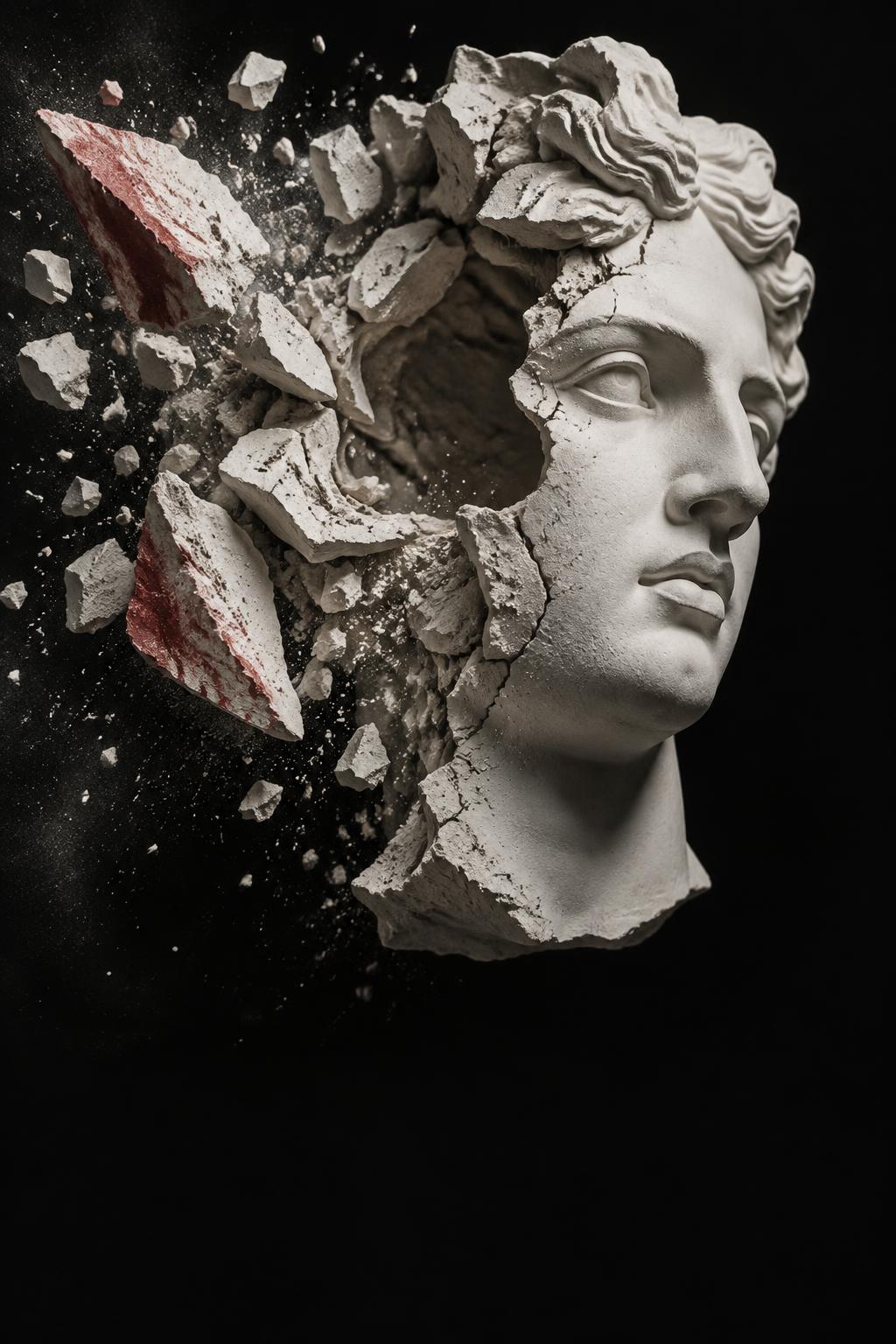
Conceptual AI-generated artwork. Not documentary photography.
An ode to cultural expression. A call to the risk-takers.
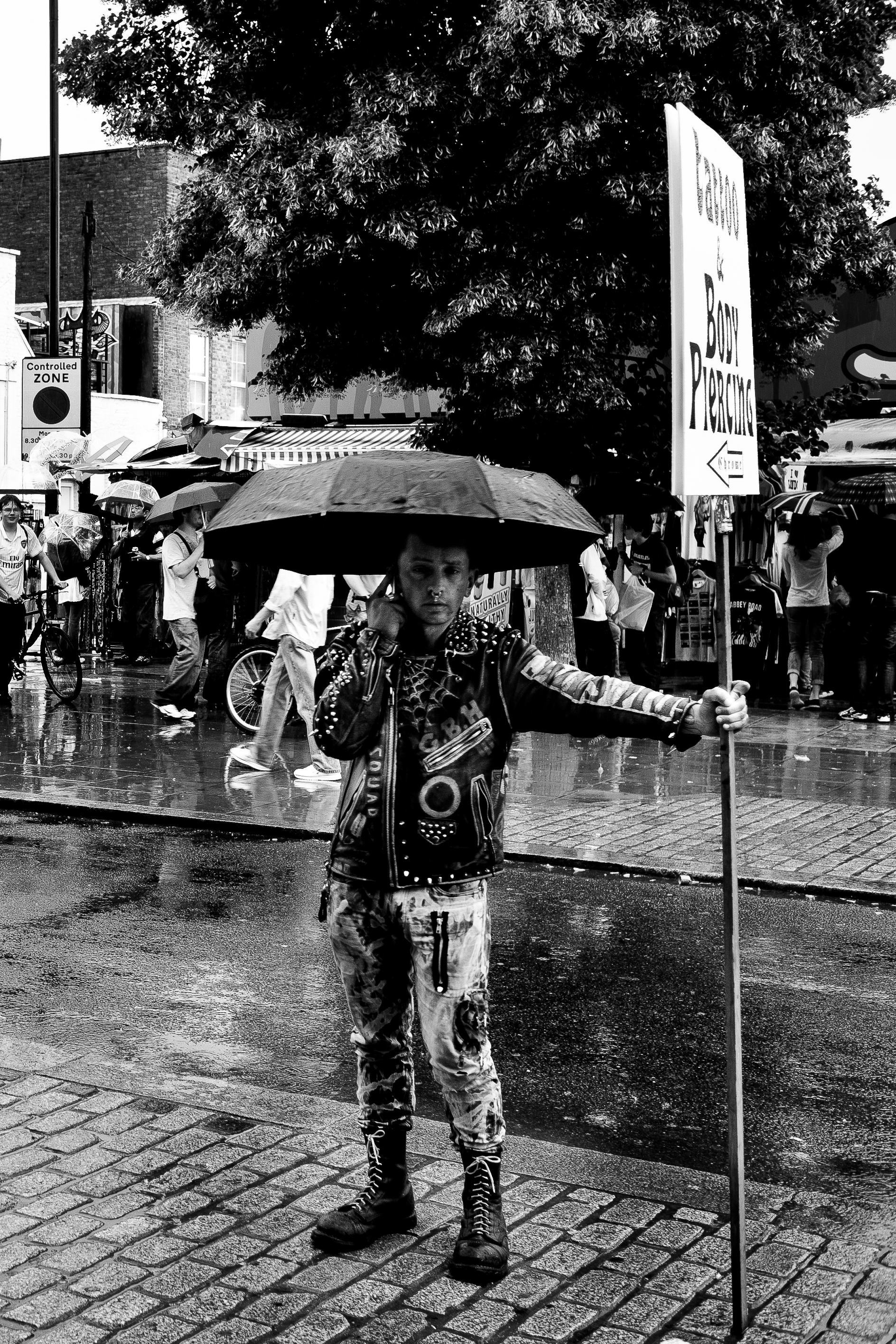
I started travelling to London when I was fifteen. On Oxford Street, next to the first Virgin Megastore, I sold badges with a punk from Paris. Culture was not something I went there to look at. It was something I wanted to be inside.
A badge was small, but it said something. A band. An allegiance. A refusal. Clothes, records and the way you carried yourself were not separate interests. They belonged to the same idea of who you were and how you wanted to live.
That is where this issue begins. Not with the claim that everything was better before. It was not. Scenes could be narrow, hostile and full of their own rules. What matters is the act of making a world, then living in it. Not assembling a look for somebody else to approve.
Punk, mods, ska, rockabilly. Different codes, different tensions, different ways to claim a life. The question is not how to bring them back. It is what happened to that edge, why expression so often became consumption, and what it would take to make something with the same conviction now.
This is an ode to art, music and fashion when they mean something beyond their image. A shout-out to the risk-takers. The people who make the room, start the band, cut the cloth, ask the uncomfortable question. Culture does not need another tribute to its past. It needs participants in its future.
I
The code was a way of living
A scene is more than a recognisable silhouette. It has codes and conduct: what you listen to, how you treat people, where you gather, what you refuse. A worldview finds its sound, its clothes and its language. Those forms push back on the worldview. The culture lives in the exchange.
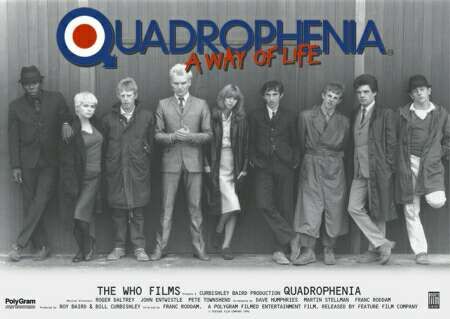
Punk made refusal visible: a torn shirt, a handmade badge, the possibility of starting a band before anyone gave you permission. Mods turned sharp dress, records and attention to detail into a language of self-invention. Neither was simply a wardrobe. Each made a claim on how everyday life could feel.
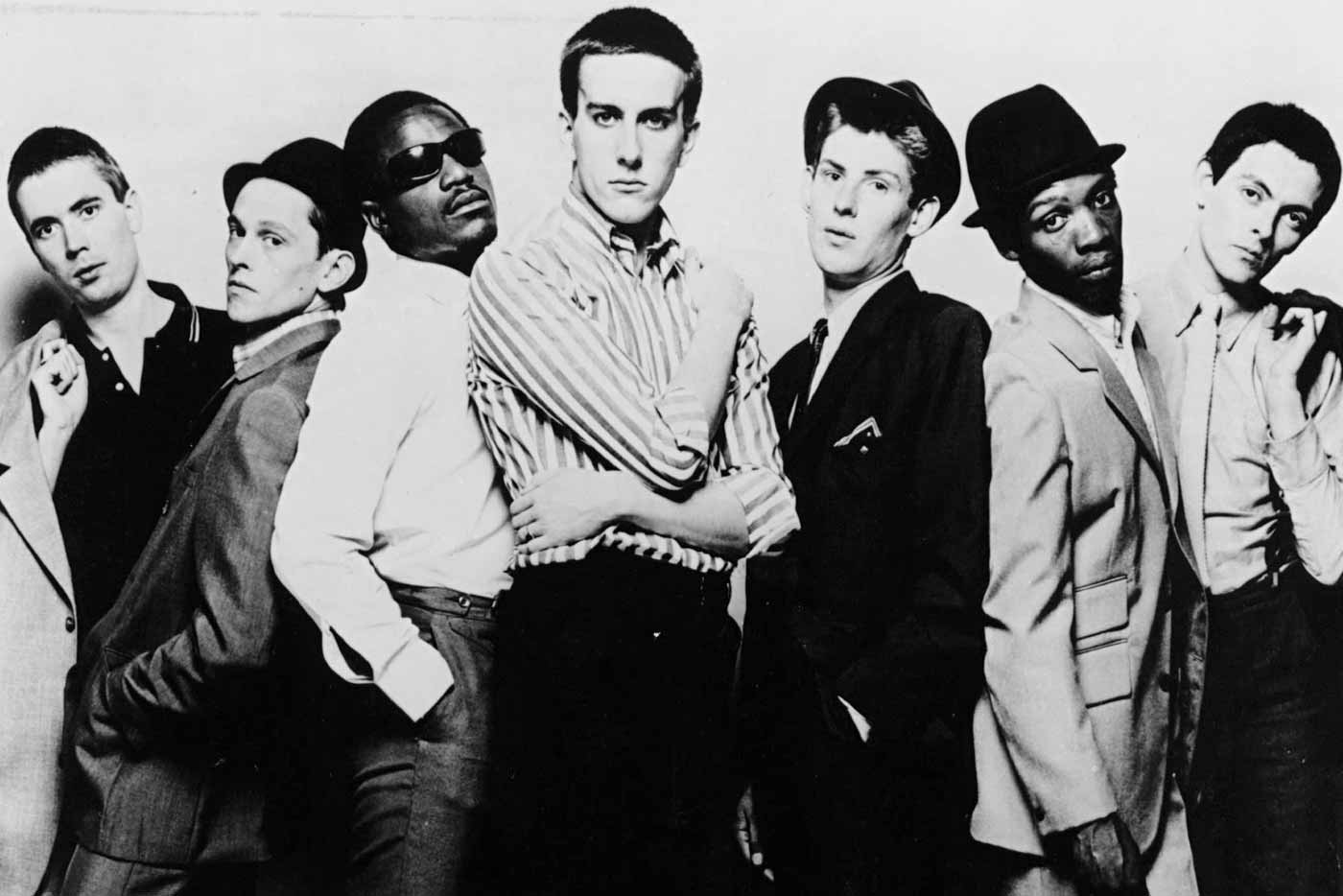
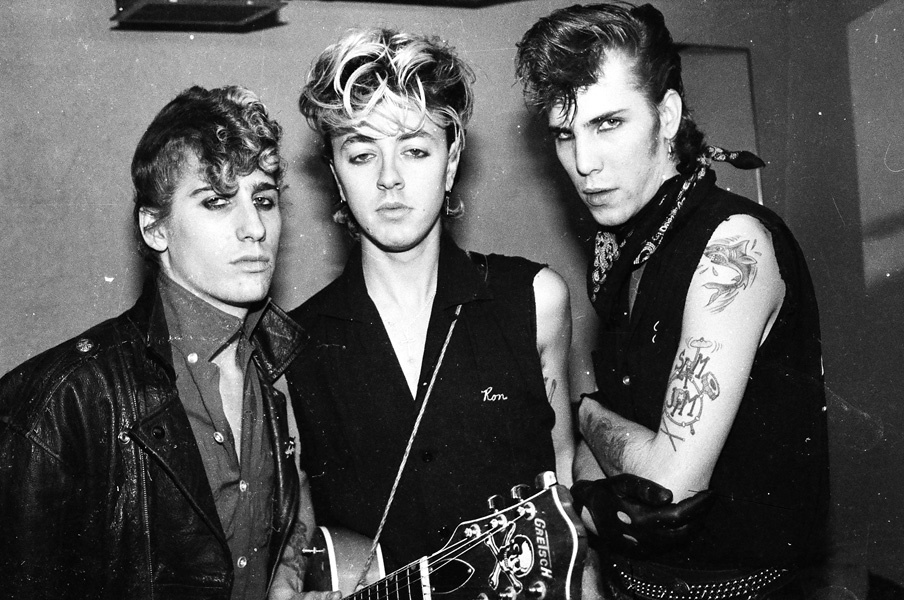
Music was the anchor for youth culture. Ska travelled from Jamaica into British youth culture. The Specials made Two Tone's black and white musicians sharing a stage part of the statement, not just the styling. Stray Cats gave rockabilly a fresh voltage: the guitar, the quiff, the cut, the rhythm, the dance. The look followed the sound and the world it opened. Sound became posture. Posture became recognition. You could see an allegiance before a word was spoken.
These were never pure worlds outside money or media. Records were sold. Clothes were bought. Images travelled. Nor did everybody inside a scene share one politics. The distinction was not commerce versus innocence. It was whether the people making the culture still had the power to define it.
The point was not to look like culture. The point was to make a life inside it.
That possibility has not vanished. It appears wherever somebody commits to a sound, a practice or a place before it comes with guaranteed approval. The edge is not a period style. It is the risk of having a position.
Berlin made room for that risk. Walled-in West Berlin had the strange character of an island: politically exposed, yet a refuge for people unwilling to live by the usual script. Cheap rooms, squats and the exemption from West German military service drew outsiders. Not a paradise without pressure, but pockets of time and space where a creative life did not have to prove its commercial value every morning. People met, stayed, collided. A melting pot became a working method.
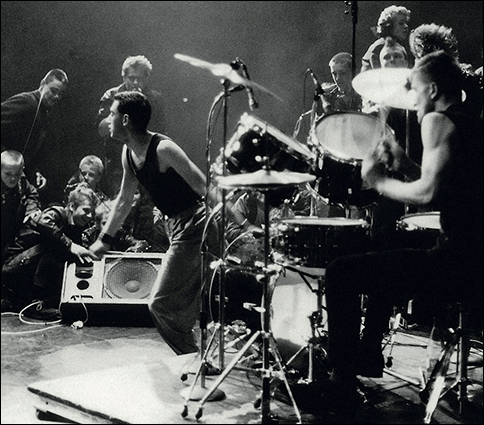
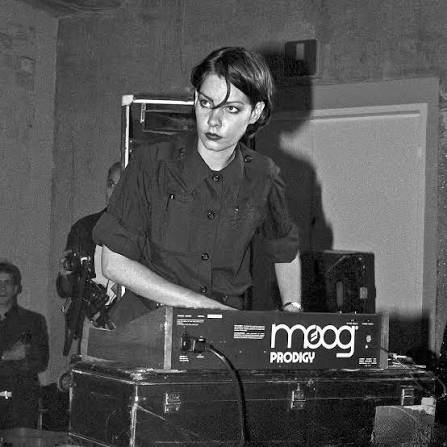
DAF, Deutsch Amerikanische Freundschaft, came from Düsseldorf, not Berlin. But their stripped-down electronic force belongs to the wider German current that made refusal physical. In Berlin, MALARIA! made an uncompromising language of their own. Blixa Bargeld and Einstürzende Neubauten turned the city's fractures into sound. Nick Cave arrived from elsewhere and found collaborators, not a lifestyle package. Music, performance, clothes and friendship occupied the same territory. You did not buy access to the culture. You helped make it.
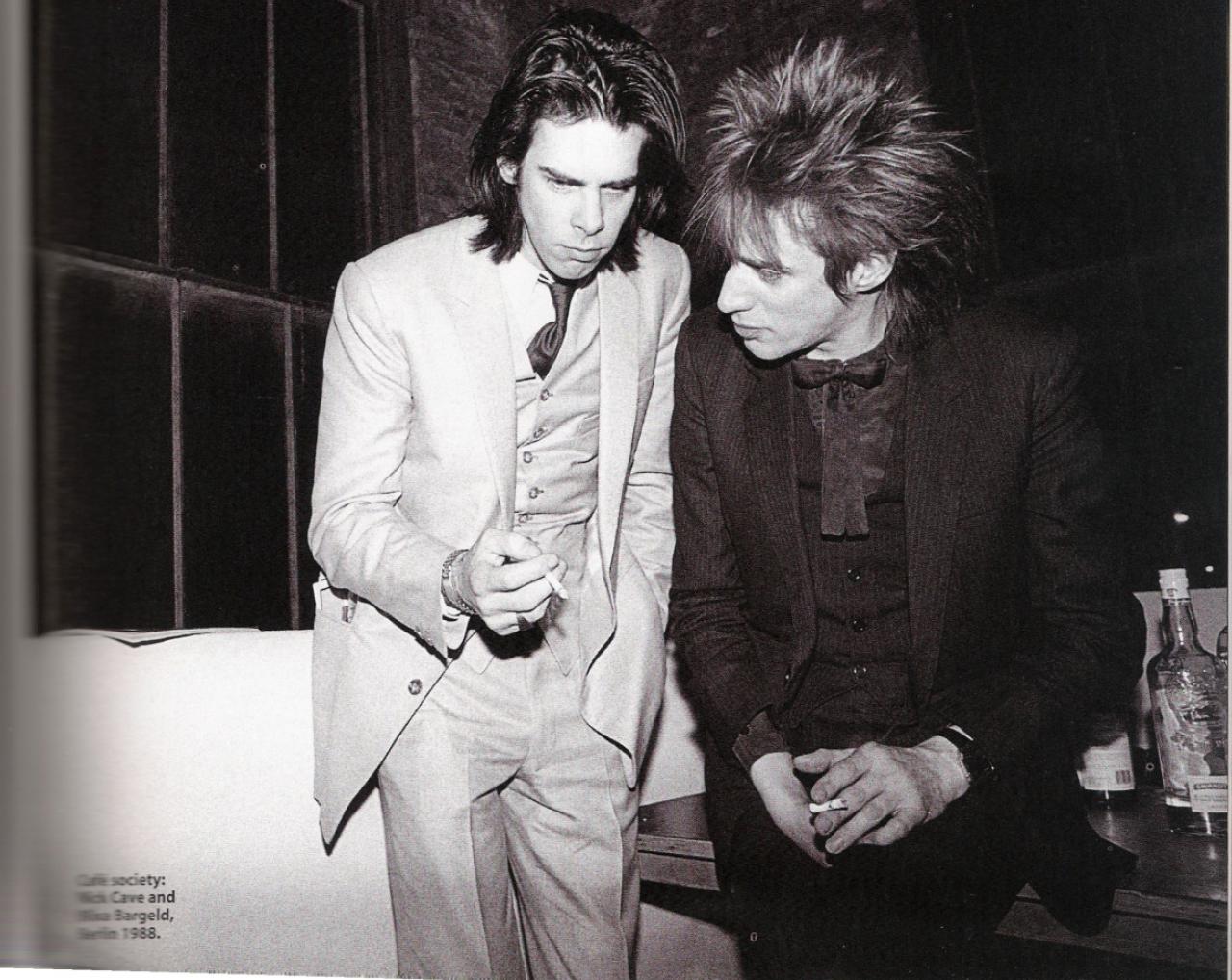
The lesson is not to rebuild the Wall or romanticise precarity. It is to protect the unpriced interval: somewhere to meet, live and experiment before every gesture has to become a pitch. A city loses its edge when it sells the image of freedom while pricing out the people who practise it.
The island did not end with the Wall. From 2000 to 2002, Hedi Slimane took part in the studio residency at Kunst-Werke, invited by Klaus Biesenbach. A room in Berlin, alongside the demands of a Paris fashion house. His photographic project, Berlin, watched people, bodies and places rather than treating the city as a mood board. The refuge mattered: another setting in which to look, meet and work without every encounter immediately becoming a collection.
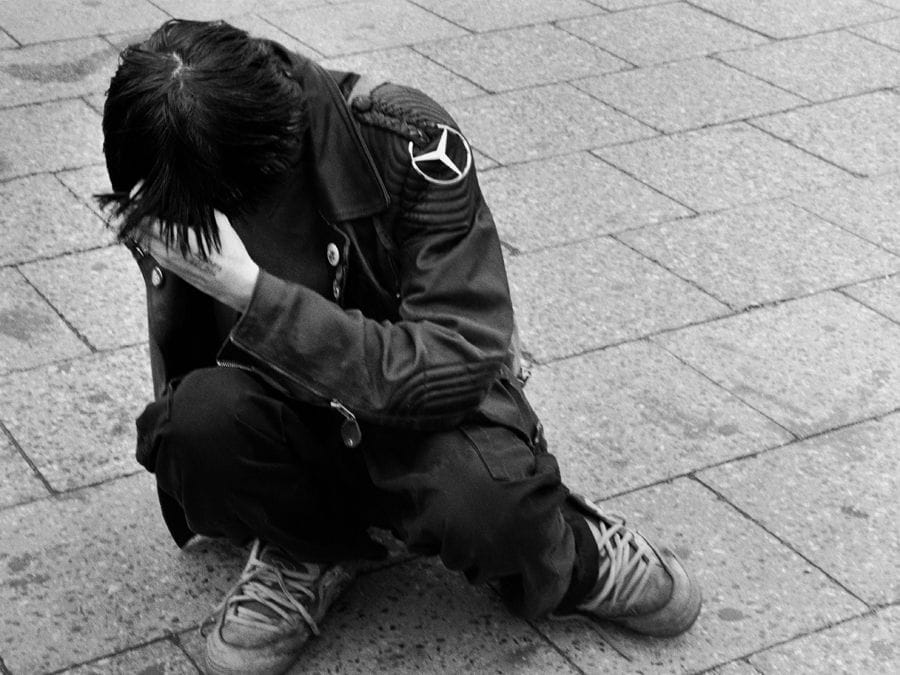
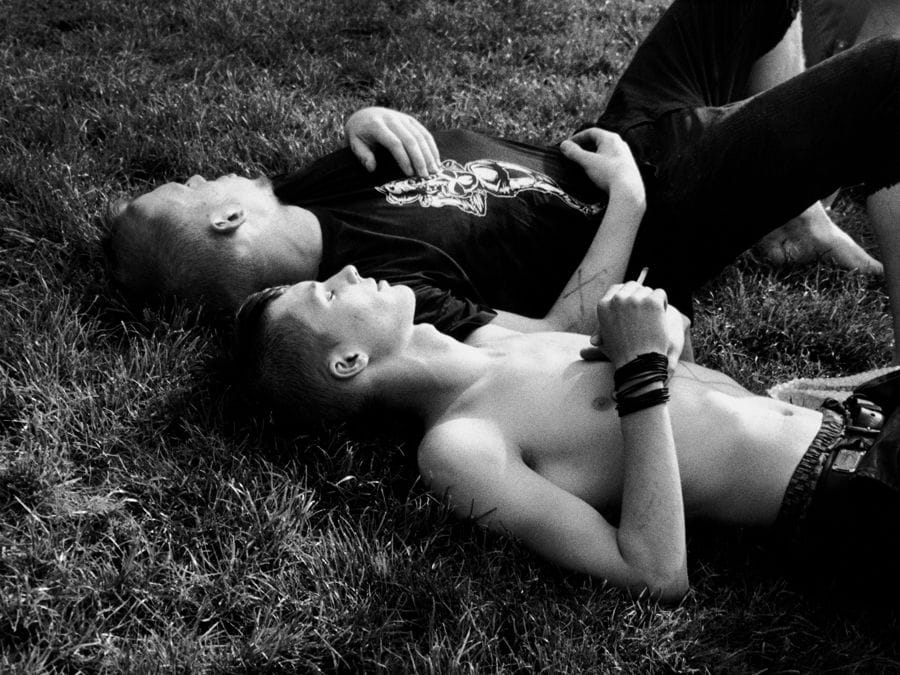
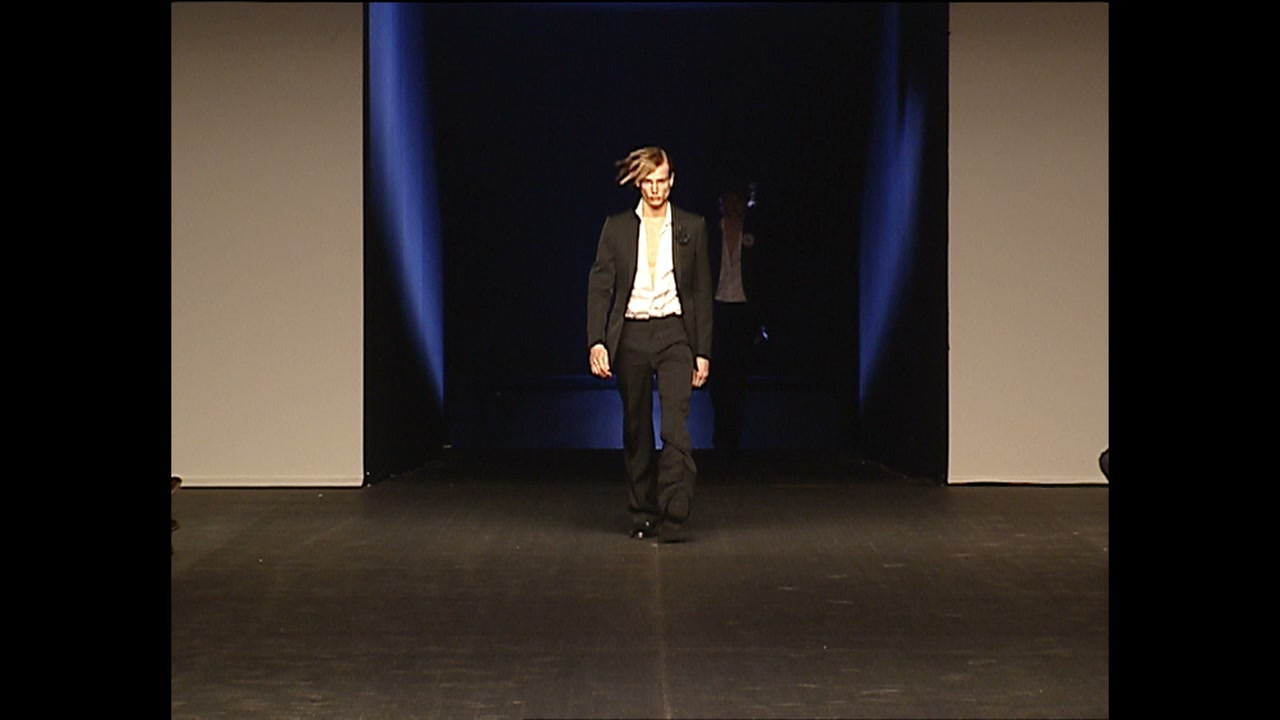
At the same time, Slimane was changing menswear at Dior Homme. His first collection, Solitaire, was presented in Paris in January 2001. The residency and the debut overlap; that does not establish that the collection was designed in the Berlin studio. What it makes visible is the productive crossing of worlds: a designer inside a contemporary-art institution, a photographic eye alongside the cut of clothes. Fashion could have a life beyond its own mirror.
II
What happened to the edge?
The change was not that young people stopped having ideas. The conditions changed. A room became harder to keep. A creative life became harder to fund. The platform became the cheapest place to gather, and the most powerful place to be discovered. Its terms arrived disguised as opportunity.
A platform rewards what it can recognise, rank and repeat. A difficult new idea needs time to become legible. A familiar reference gets understood in a second. So the reference wins. The look circulates before the life behind it has a chance to form.
This is how a code becomes an aesthetic. Detach the clothes from the conduct, the sound from the room, the gesture from the belief. Now it can travel everywhere, instantly. More people can encounter it. Fewer need to commit to it. Reach expands while meaning thins.
Guy Debord described a world where relationships are mediated by images. Mark Fisher wrote about the slow cancellation of the future, culture working endlessly while the horizon of the new recedes. The feed did not invent that condition. It turned it into an operating model.
There is a commercial reason. Platforms sell attention. Brands minimise uncertainty. A recognisable remix offers both a measurable audience and a manageable risk. Something genuinely new asks people to believe before the numbers can reassure them. The machinery favours circulation over conviction.
The machinery favours circulation over conviction.
Meanwhile the larger story has lost its authority. The West once sold its records, films and fashion as images of a future everybody should want. A fragmenting political order and new cultural centres make that promise less convincing. When the story stops working, polishing its archive is not renewal.
None of this makes the phone an enemy or the past a paradise. The same networks help independent artists find collaborators and young people organise. The question is who sets the terms. Are we using the image to carry an idea, or adjusting the idea until the image performs?
III
LOST. The right to disappear
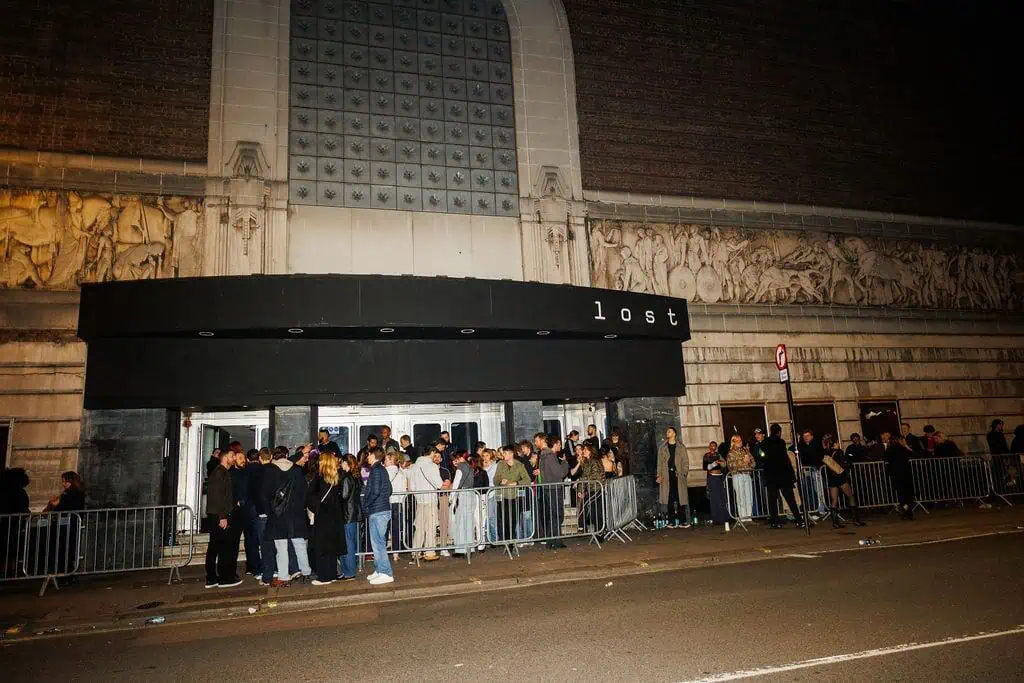
A room. A sound system. Other people. No phones. No pictures for the feed. No proof that you were there. In a culture that treats visibility as existence, disappearing together starts to feel radical.
That is the wager behind London's LOST, founded by Secret Cinema's Fabien Riggall. Its first home turned a disused West End Odeon into a world of music, film and performance. Phones went into magnetic pouches at the door. The project now promises a new chapter at the former London College of Fashion, announced for November 2026. Its official line is blunt: no phones, no line-up. The opening date remains unconfirmed.
The important thing is not secrecy. It is permission. To dance without assessing how you look. To meet someone without turning the meeting into a story. To make something awkward, unfinished or strange before an audience can judge it. Privacy is not a retreat from culture. It is one of the conditions culture needs to begin.
London's cultural sphere was built in rooms before it was packaged into an image: clubs, studios, rehearsal spaces, places where music met clothes and strangers became collaborators. As those rooms disappear, the platform offers a substitute. It connects us, then sells our attention back. LOST points towards a different ambition. Gather. Create. Celebrate. Let the experience belong to the people having it.
This is not a demand to stop documenting culture. It is a demand for a life before documentation. No camera between the gesture and the feeling. No imagined reaction dictating the next move. Reflection afterwards, on your own terms, rather than constant self-monitoring while the night is still happening.
We do not need another platform. We need rooms where we are not the product.
There is a contradiction, of course. A phone-free club still needs publicity, ticket sales and a sustainable business. Removing the phone does not remove commerce. The test is what commerce makes possible: a branded experience to consume, or a space where people can invent something the brand did not plan? LOST is not proof that the problem is solved. It is a clear proposition. Protect the room. Give people back their attention. Let culture happen before it becomes content.
IV
When the mirror becomes a market
Music was not the only anchor. Art built a parallel universe: another way to articulate a life, a city, a position. A cultural mirror is not decoration. It lets a society recognise itself, including what it would rather not see. My argument is that too much of the art world's market machinery has failed that task. It has become better at reflecting wealth than reflecting the world.
Warhol and Jean-Michel Basquiat make the distinction vivid. Warhol turned advertising, celebrity and repetition into a language for the world consuming them. His Factory gathered art, film, music and people who did not fit neatly elsewhere. Basquiat brought the marks, words and tensions of downtown New York into painting: race, power, money, music, the body. The city was not a backdrop. It was inside the work.
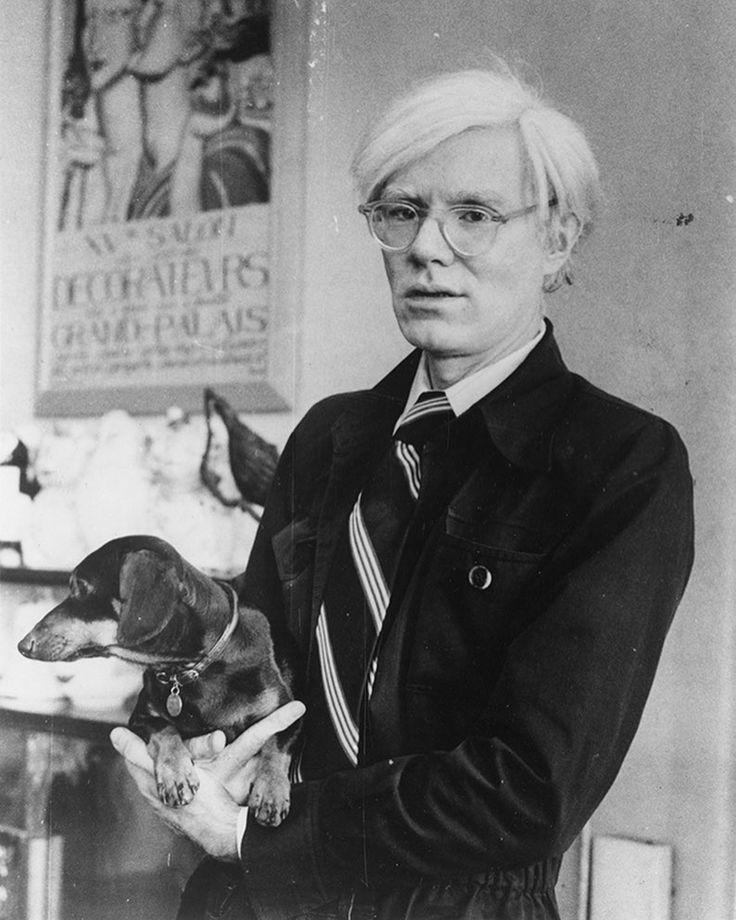
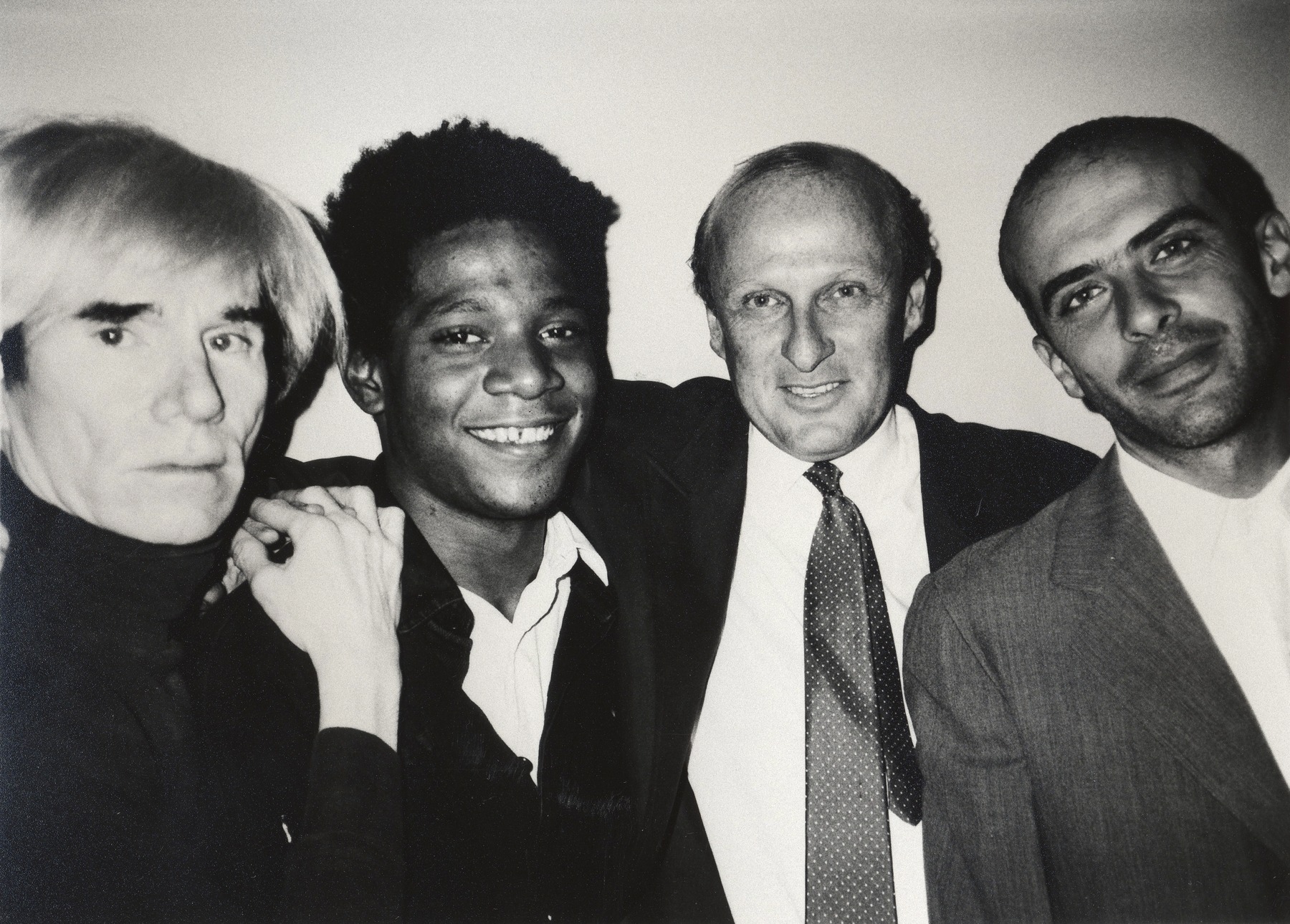
New York's Factory and Berlin's experimental rooms were not the same scene. Their shared force was proximity: artists, musicians, filmmakers and outsiders crossing paths before anybody could neatly separate the disciplines. The room came first. The recognisable image came later. That is what a cultural mirror needs: contact with life, not just a polished surface.
Neither stood outside commerce. Warhol knew advertising from within. Basquiat rose through a booming gallery market. That is precisely the point. The work could enter the market without beginning as the market's wish. It had a place, a voice and an urgency before it became an asset. Art could still feel like a last bastion of articulation, where a lived reality became a language nobody else could supply.
The failure is not that nobody makes original art now. They do. It is that the machinery often treats the price as the meaning, the opening as the event, the artist as a recognisable brand. Warhol's surface and Basquiat's crown circulate effortlessly. The risk that made them necessary is harder to package. When recognition replaces encounter, the mirror becomes a trophy.
Sometimes the retreat is literal. Hauser & Wirth Menorca occupies a restored naval hospital on Isla del Rey in Mahón harbour, reached by boat. Galleries, gardens, extraordinary work. A beautiful project, built with a local foundation. It also makes the question visible: does culture gain a sanctuary, or lose contact with the street? Beauty does not settle the question of who gets inside.
Fairs take the opposite route and risk arriving at the same place. Frieze London and Art Basel Paris extend into talks, films, partnerships and public programmes. I live in Mallorca, where Art Cologne's Palma edition brought 88 galleries from 20 countries in April. Visibility and economic momentum matter. But does a fair grow roots, or remain a calendar slot for the collector circuit? Calling a market a festival does not make it a cultural life.
The test is what exists outside the transaction: encounters, access, work that unsettles us, a chance to participate rather than observe. Does the city speak through the art, or merely host its sale? The public is not scenery for a market's image of itself. A cultural mirror should return something more difficult than a flattering reflection of its buyers.
Warhol and Basquiat are not instructions to repeat a look. They are reminders to begin with something at stake. A market can support culture without owning its meaning. But it must leave room for the work that does not yet resemble success. Otherwise art stops articulating a place and starts decorating an address.
V
Who gets to define the future?
In 1981, Rei Kawakubo and Yohji Yamamoto showed in Paris and changed fashion. They had to go to Paris to do it. For forty years that was the rule: Asian talent proved itself by passing through the European capitals, and Asian money proved its taste by buying European houses.
In April 2026, Maison Margiela staged its first show outside Paris, in Shanghai. Moncler had already turned a Shanghai shipyard into a 30,000-square-metre creative district. The direction of travel has reversed. European houses now go east to be seen, while a growing number of Chinese designers, Susan Fang, Mark Gong, Samuel Gui Yang, Shushu/Tong, say openly that global validation through a Western fashion week is no longer something they need. Shanghai's spring/summer 2027 season, which opened on 8 October, put the craft of China's ethnic minorities at its centre.
The clearest case is not a fashion label at all. Laopu Gold is a Beijing goldsmith founded in 2009 that sells gufa huangjin, traditional, hand-worked Chinese goldware, at fixed prices, in stores deliberately placed opposite Hermès. In 2025, while China's personal luxury market shrank for a second year, Laopu's revenue grew 221% to RMB 27.3 billion. Its growth challenges the assumption that Chinese luxury customers will always look first to European houses. Local cultural authority has become commercially powerful.
Compare the European side. LVMH's fashion and leather goods division reported a 5% organic decline in the third quarter of 2026. The industry has spent three years in a creative-director carousel, mining its own archives, and raising prices so often that the increases have stopped signalling anything. Some Birkin models went up four to six times in three years. Heritage has become a back catalogue to be remixed rather than a belief to be renewed.
This is not a story of a triumphant East. Laopu's share price has fallen hard as gold prices slumped, exposing how much of its "Hermès of gold" story depended on the metal. Buyers ordering Chinese designer labels have pulled back sharply; Shanghai's showrooms are smaller and more selective. The rise is uneven and it is fragile.
The authority does not transfer east. It simply stops being singular.
But the source of confidence has moved. Europe's edge was never only craftsmanship. It was the authority to say what mattered, what was modern, what was beautiful, what was worth wanting. That authority depended on everyone else looking towards Paris and Milan. When a generation in Shanghai, Seoul or Kyoto looks first at its own history and finds it sufficient, the authority does not transfer east. It simply stops being singular.
VI
Originality needs a way to live
Put the pieces side by side. A code detached from its conduct. A feed that rewards recognition. An art market mistaking value for meaning. New cultural centres refusing permission. The question is no longer only who gets seen. It is who can afford to keep making something original.
That makes publishing platforms such as Substack worth watching. The promise reverses the familiar bargain: writers, artists and independent voices publish in their own name, and readers can pay directly to keep that work coming. Instead of selling an audience's attention to an advertiser, the creator asks the audience to back a point of view. The reader is not simply inventory. The work is what they choose to support.
For an honest voice, that can shift power. A recurring subscription may buy time to research, write, draw or question without every piece having to please a commissioning gatekeeper. Substack allows creators to export their subscriber lists. The relationship has some portability, not only a follower count trapped inside a feed. The possibility matters: people paying for an original sensibility, not just another version of what already performs.
But a subscription is not a certificate of originality. Substack takes a share of paid revenue, payment processing costs remain, and discovery still runs partly through its network. A writer can become as dependent on pleasing paying readers as on pleasing advertisers. Access costs money. Most voices still face the hard work of finding enough support. A different business model creates a possibility, not an exemption from compromise.
The opportunity is to make that bargain consciously. Pay the writer for seeing something you missed. Back the artist before their language is familiar. Allow the person you subscribe to the freedom to disagree with you. The payment should protect the risk, not purchase obedience. That is how an audience becomes a constituency for culture rather than a market for reassurance.
Originality is not creation without influences. Culture grows through exchange, migration and collision. It is what happens when those influences pass through a lived position and become something only that person could make. The Specials, Stray Cats, DAF, MALARIA!, Cave, Bargeld, Warhol, Basquiat: not templates to copy, but people making a language out of their circumstances. A remix can carry conviction. It cannot substitute for it.
The edge is not a period style. It is the risk of having a position.
LOST protects attention inside a room. Direct paid publishing can help protect the time outside it. Neither is salvation. Both point towards the same obligation: create conditions in which somebody can express something before it is validated. Records need pressing. Artists need paying. Rooms need rent. Originality needs an economy that gives it time to exist.
VII
To the risk-takers
I have worked inside this tension for a long time, through photography, film, creative direction, media and building my own ventures. I am not outside the machinery pointing a finger. I have made the convenient remix. I know why it gets commissioned. I also know when the work has more to give.
The difference is a conceptual backbone. An image is the visible end of a conviction, a world, a reason to exist. When that is present, a small gesture can carry enormous weight. When it is absent, scale only makes the emptiness easier to see.
So this is not a request to dress like a punk or buy a scooter. It is a request to take a position. Make the record you cannot find. Put people in a room who would not otherwise meet. Design the thing that follows your belief rather than the season’s reference. Give an unfinished idea enough time to become itself.
Art, music and fashion do not owe us comfort. They can disturb the categories, change the conversation and propose another way to live. That requires grit, a belief system and the willingness to risk being misunderstood. Copy-paste can decorate a backbone. It cannot replace one.
This is what DISCIPLINE is for. Research the place, the brand, the person. Find the conviction rather than import a look. Then make it sustainable, with real revenue, partners and audiences. Culture without economy is vanity; economy without culture is noise.
Do not bring back the old look. Bring back the nerve.
To the people still making, gathering, questioning and beginning without a guarantee: this is yours. Protect the room. Pay the people. Back the strange idea. Be inside it. Originality is not a luxury added after the business works. It is what makes creative culture worth sustaining. Without it, we will be LOST. Not beautifully hidden from the camera, but unable to say where we are or what we believe. The next edge will not arrive as a trend. Somebody has to make it.
The Dispatch
One idea, argued properly. Bi-monthly.
Take it with you